Recycling and Sustainability — Hedge Trimming Wood Green
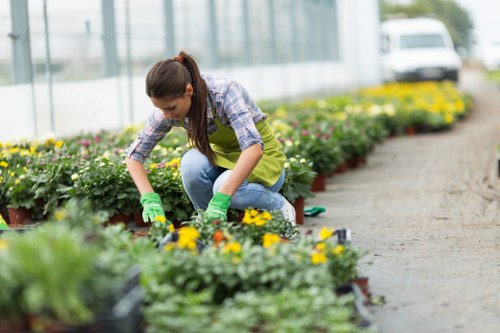 Hedge Trimming Wood Green is committed to an eco-first approach to garden waste management across Wood Green and surrounding neighbourhoods. Our sustainable hedge care and pruning services combine responsible green waste disposal with active recycling targets to reduce landfill, support local reuse and promote low-carbon operations. We tailor every job to local borough policies — aligning routine pruning and green waste collection with Haringey's and neighbouring boroughs' approach to waste separation, including garden waste, food waste, and dry recycling streams.
We set a clear objective: a recycling percentage target of 85% for all green and mixed garden waste collected from hedges, shrubberies and small trees in Wood Green. This target applies to routine hedge maintenance, one-off clearance, and seasonal pruning. By prioritising separation at source — keeping woody material, leafy green waste and mixed recyclables distinct — we increase the volume suitable for composting, chipping for mulch, or transfer to reprocessing facilities.
 Our team works with local authority transfer stations and Household Waste Recycling Centres to ensure material is processed correctly. We use authorised local transfer stations, the borough transfer facilities and nearby HWRCs in partnership arrangements so that wood, branches and green waste follow the appropriate routes to composting and biomass facilities instead of landfill. That local coordination reflects the boroughs' wider waste separation policies and helps close the loop on garden waste recycling.
Beyond facilities, we build strong community links. Partnerships with local charities and social enterprises are core to our sustainable model: we divert usable materials and small items to community reuse centres, donate larger untreated timber pieces to educational community projects, and provide chipped wood for community allotments and green spaces. Our collaborations assist local community gardens and urban greening programmes while preventing useful materials from becoming waste.
To be transparent about how we meet our recycling percentage target, we track all loads from collection through processing and publish an annual sustainability summary for the area we serve. That report shows percentages of material diverted to:
- Composting and municipal green waste processing
- Wood chipping for mulch and biomass
- Reuse and social enterprise redistribution
- Recyclable packaging and container separation where applicable
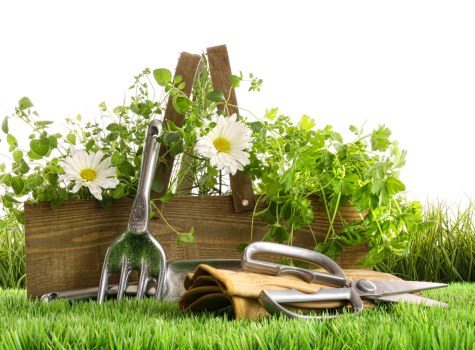 Our sustainable rubbish gardening approach emphasises minimal disturbance and maximum resource recovery. Where pruning produces long lengths of timber, we assess potential for reuse; smaller branches and leaves are chipped for mulch or sent for large-scale composting. We also participate in neighbourhood-level initiatives where boroughs encourage separate brown bins or seasonal garden waste collections to streamline the sorting process from curbside to transfer station.
Our operational choices reduce carbon footprint across hedge trimming Wood Green services. We employ route optimisation software, low-carbon vans and a growing fleet of electric vehicles to cut emissions from collection and transport. Vehicles are selected to meet Euro 6 emissions standards where electric options are not yet viable, and we routinely evaluate advances in battery vans and hydrogen-ready vehicles to keep our fleet green.
 The sustainable rubbish gardening area concept we promote includes on-site segregation practices: clearly marked sacks or bins for woody material, separate containment for soil and turf, and dedicated receptacles for recyclable packaging. These measures reduce cross-contamination and improve the value and usability of recovered materials. We train crews in these methods to ensure the highest recovery rates at the point of collection.

Local transfer stations and charity partnerships
How we work with local infrastructure
We maintain active arrangements with borough transfer stations and local Household Waste Recycling Centres. Our partnerships span community reuse groups, urban gardening projects, and local charities that accept viable wood, soil and plant materials for reuse. Working hand-in-hand with council policies, we make sure that sustainable hedge trimming in Wood Green contributes to wider circular economy goals instead of creating additional waste streams.
Key sustainable practices we apply include:
- On-site separation of green waste, wood and recyclables
- Use of electric and low-emission vans for collections
- Delivery of chipped material to composting and biomass facilities
- Donation of reusable timber and materials to community partners
- Monitoring and reporting against our 85% recycling target
We adapt to the boroughs' specific waste separation rules — such as separate brown bin seasons or combined food and garden waste schemes — so that every hedge trimming job in Wood Green is executed in line with local guidance. These light touches to disposal practice make a substantial difference across the year in diverted tonnage and carbon savings.
In short, our approach to sustainable hedge trimming in the Wood Green area represents a balance of practical on-site methods, strong local partnerships and investments in low-carbon transport. By committing to an ambitious recycling target, working with transfer stations and charities, and running a cleaner vehicle fleet, we make sure that garden maintenance supports local sustainability goals while keeping neighbourhood green spaces healthy and tidy.